Lexar Reimagines M.2 NVMe SSDs as Hot-Swappable Storage for Mini-PCs
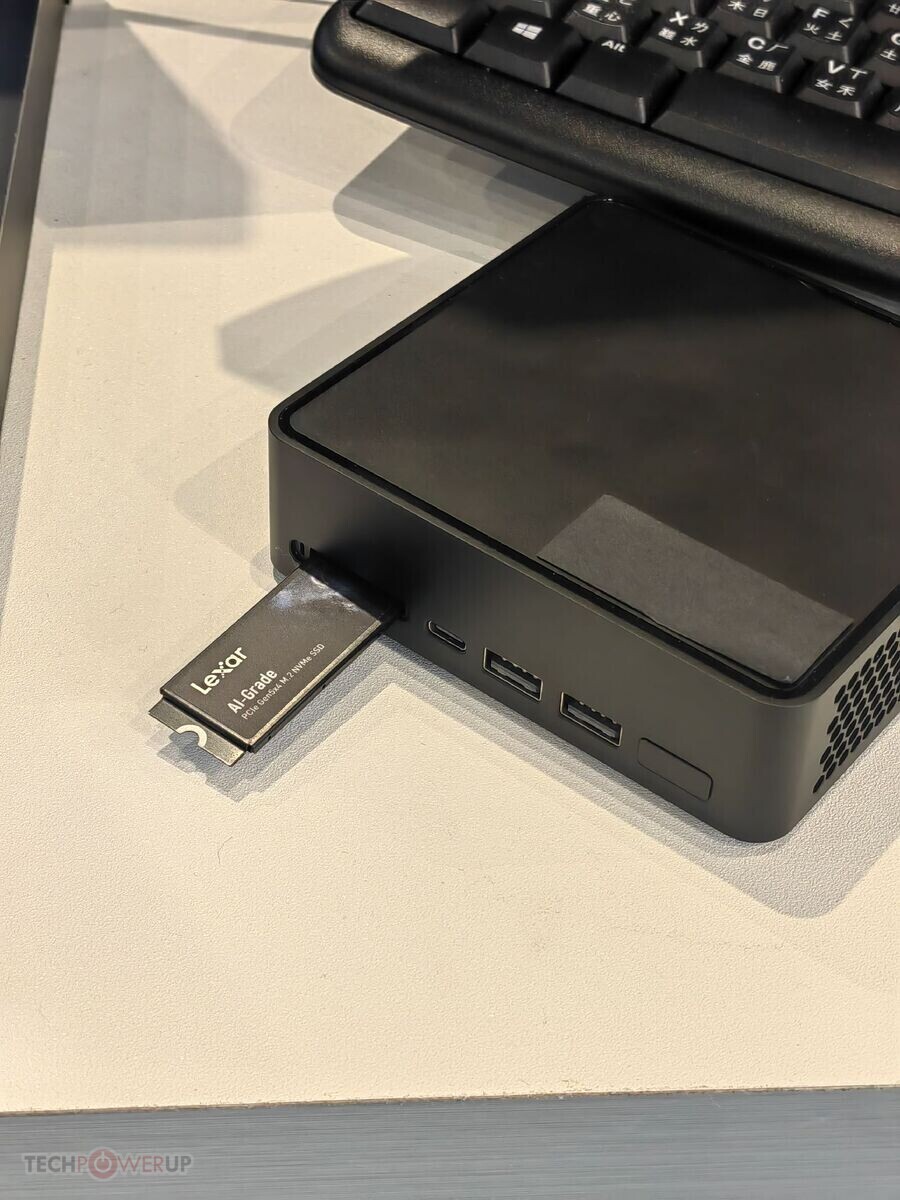
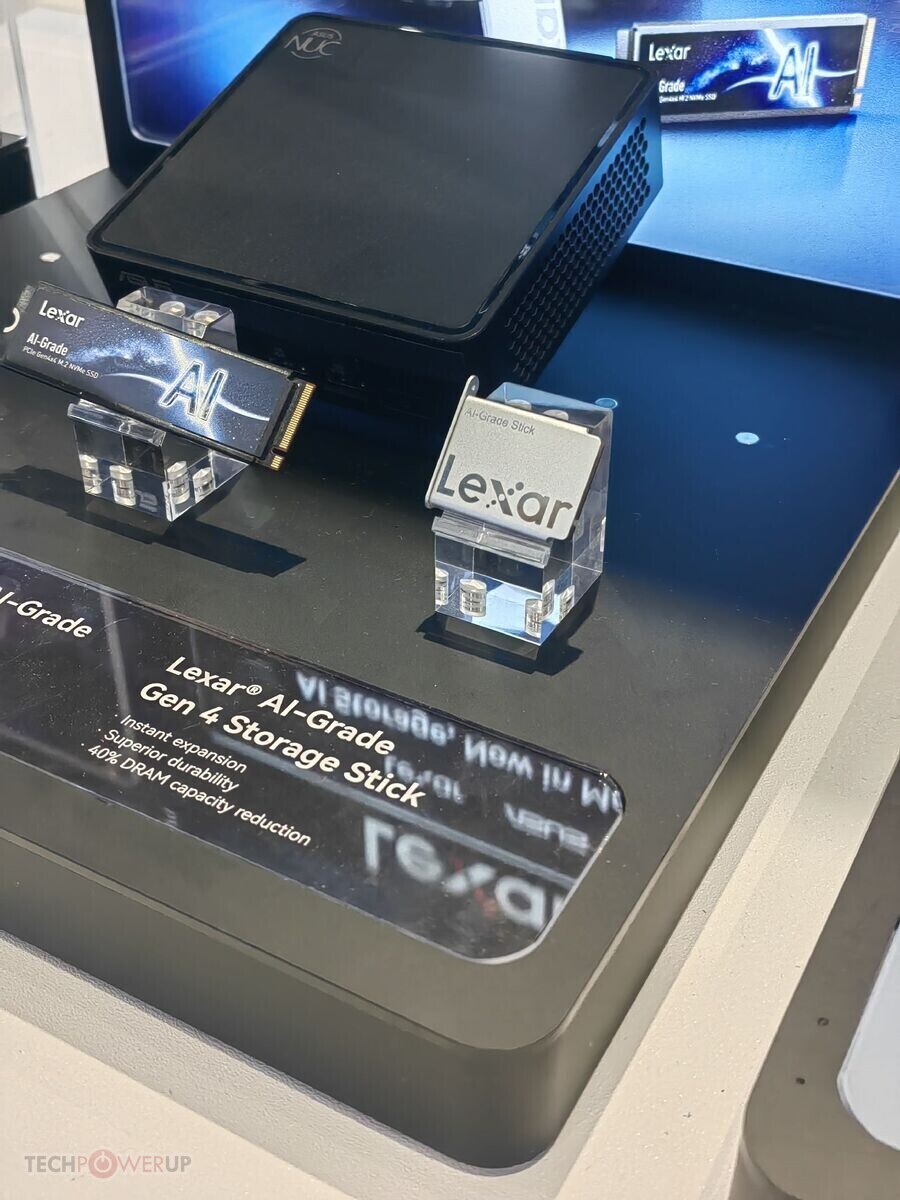
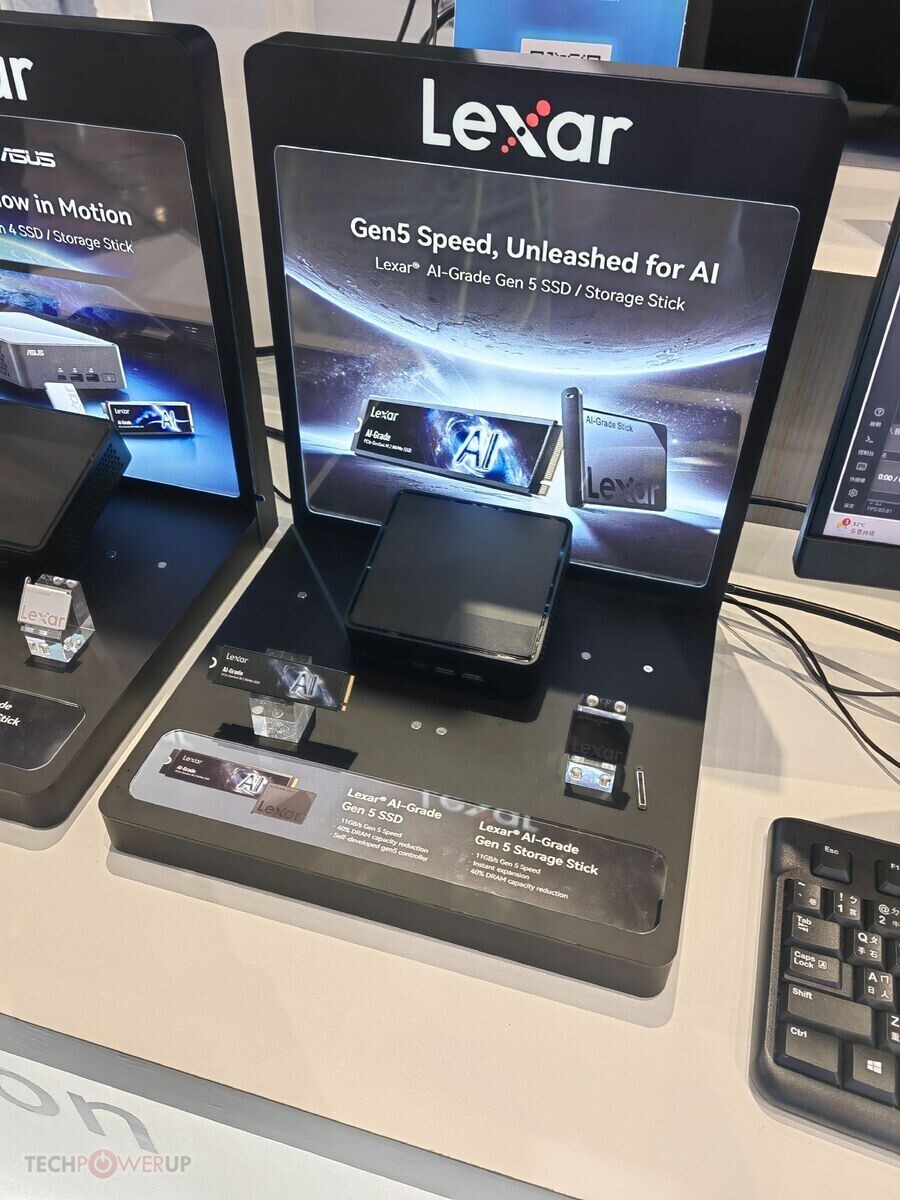
Lexar is challenging conventional thinking about M.2 NVMe SSDs by drawing a parallel to classic NES cartridges. Traditionally, using an M.2 SSD as portable storage requires a USB or Thunderbolt enclosure. Lexar’s innovative concept eliminates this need, proposing a robust M.2 slot designed for frequent insertions and a metal jacket for the SSD—offering protection without the bulk of a full enclosure.
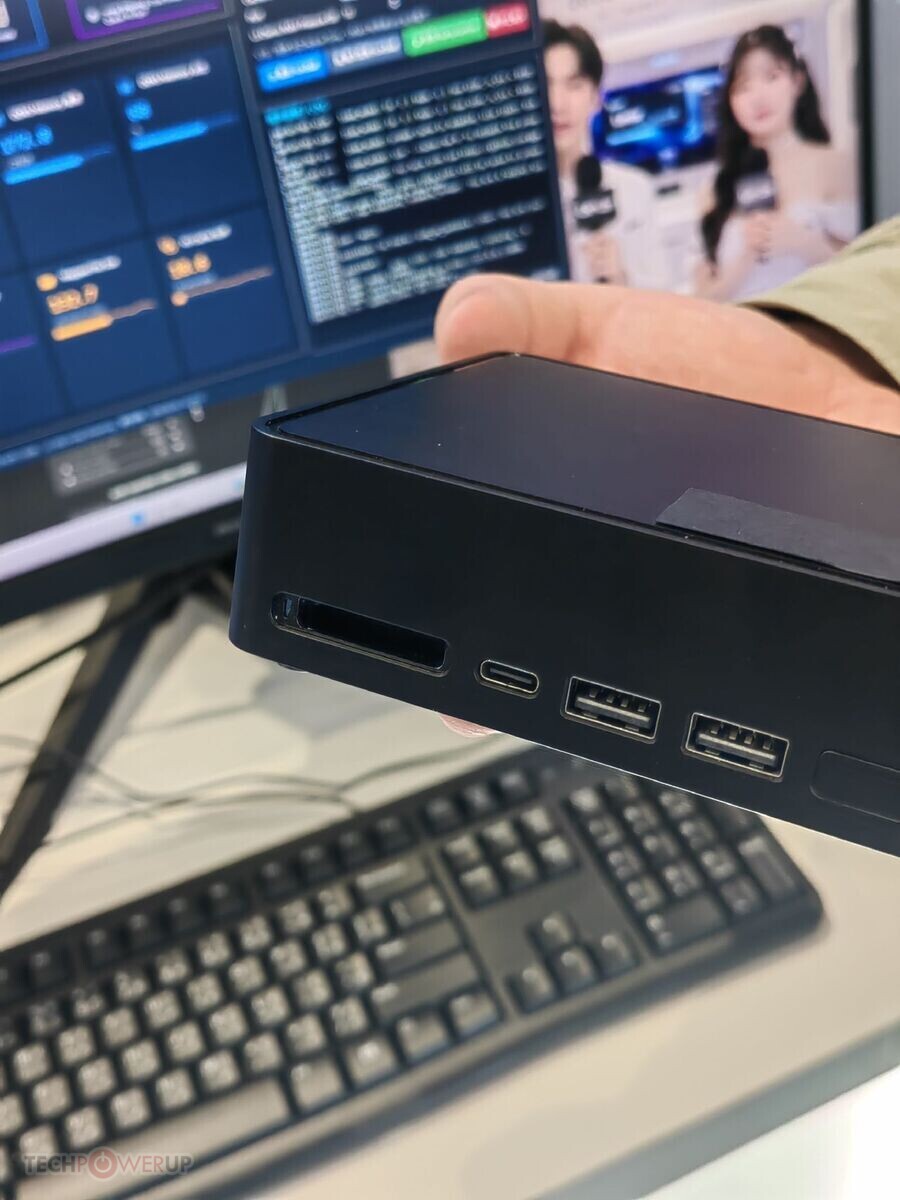
This new approach allows users to insert the SSD directly into a 25 mm-wide front-panel slot on a mini PC. The slot connects straight to the processor or chipset, bypassing the overhead associated with external enclosures and adapters. The result is a streamlined, high-performance storage solution that brings the convenience of hot-swappable cartridges to modern computing.
Prototype Collaboration with ASUS
The prototype mini PC showcased by Lexar was developed in partnership with ASUS. While PCIe, the interface used by M.2 NVMe SSDs, is not inherently hot-pluggable like USB or Thunderbolt, Lexar’s design aims to overcome this limitation with a more durable slot and protective SSD jacket. This could pave the way for new standards in portable, high-speed storage for desktops and mini PCs.
AI-Grade Gen 5 x4 NVMe SSD for Advanced Workloads
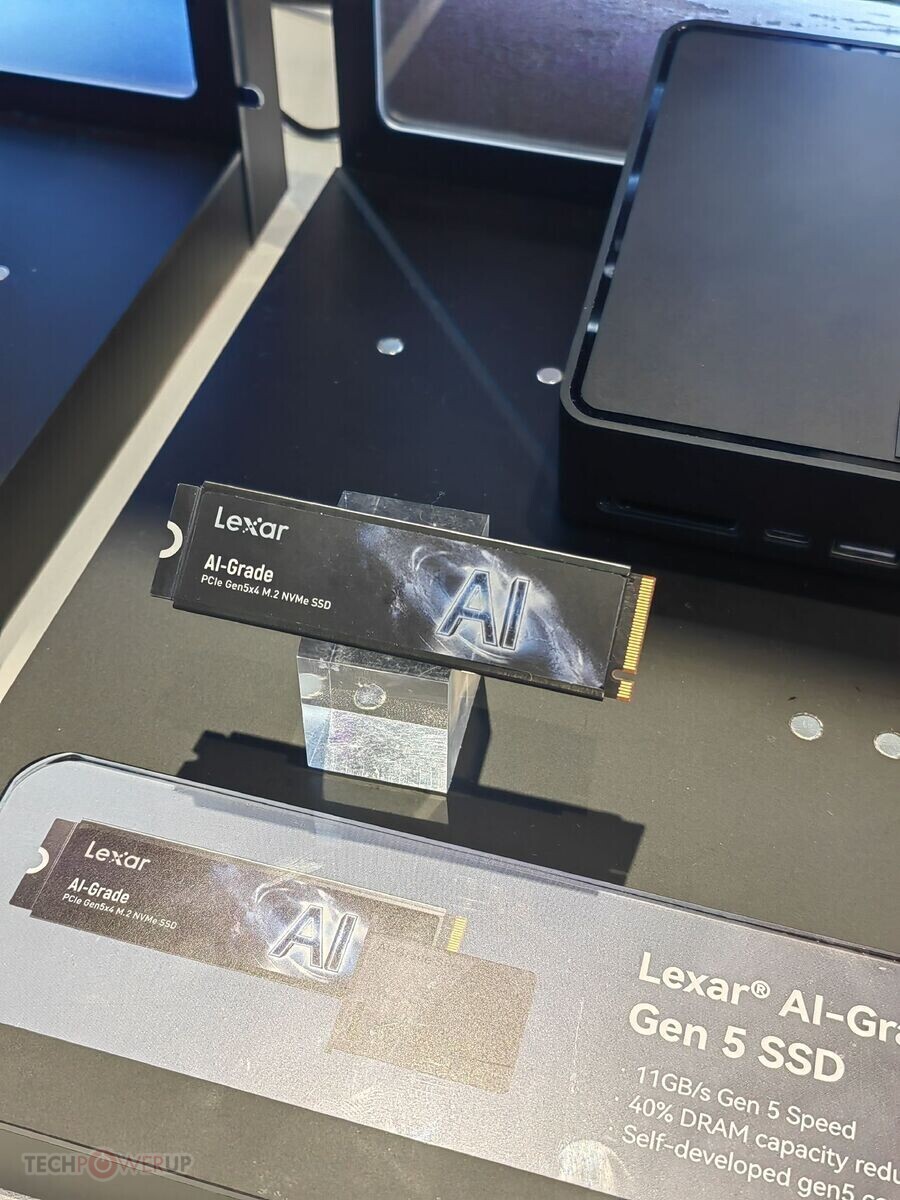
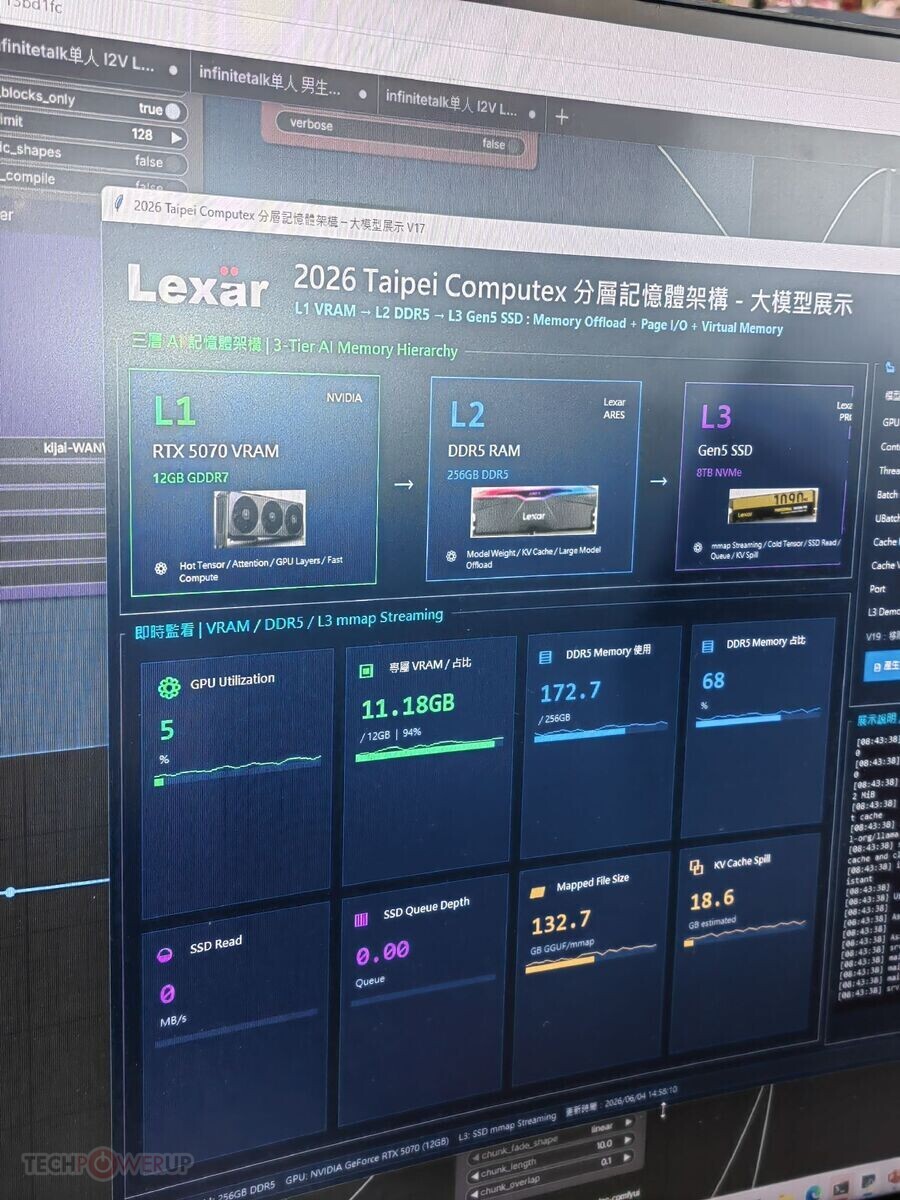
Lexar also introduced its AI-Grade Gen 5 x4 NVMe SSD, likely featuring a DRAMless controller. This drive is engineered to support demanding AI workloads by enabling a three-tiered memory hierarchy. In this architecture, the GPU’s video memory serves as the fastest layer (L1), followed by system memory, and finally, the NVMe SSD as a large, high-capacity third tier.
This memory hierarchy is particularly beneficial for large language models (LLMs) and other AI applications that require extensive memory resources. According to Lexar, this approach can reduce the overall memory footprint by at least 40%, making it easier to handle larger models and datasets without compromising performance.
Lexar’s forward-thinking solutions highlight the evolving role of NVMe SSDs in both portable storage and advanced computing, offering new possibilities for mini PCs, desktops, and AI-driven workloads.