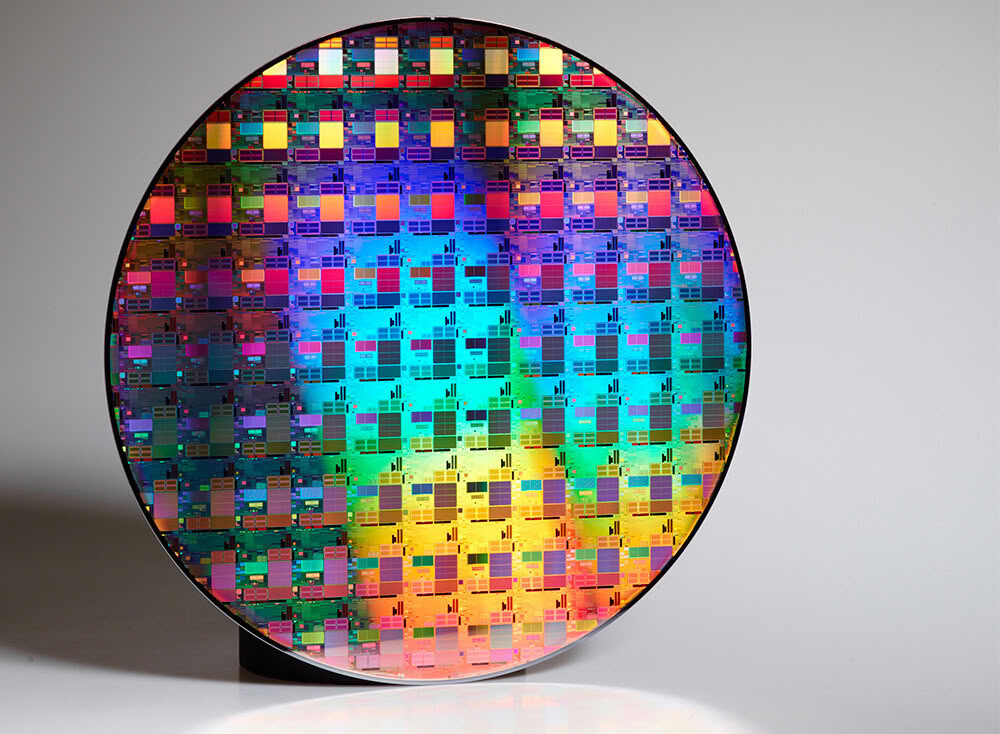
TSMC Achieves Major Milestone in 2nm Chip Production
TSMC has reached a significant breakthrough in semiconductor manufacturing, now producing 20,000 wafers per month on its advanced 2nm (N2) process node. This achievement marks a new chapter in the company’s ongoing efforts to push the boundaries of chip technology and maintain its leadership in the global semiconductor industry.
2nm Node Production Expands Across Taiwan
The 2nm wafers are currently manufactured across five fabrication plants (fabs) in Taiwan, with Fab 20 being the first and only facility to reach high-volume production on the N2 node. TSMC began ramping up high-volume manufacturing of its 2nm process in the fourth quarter of 2025. Just two quarters later, the N2 node now represents 3% of TSMC’s total revenue. In comparison, the 3nm node accounts for 30%, while the 5nm node remains the company’s top revenue generator at 33%.
Surge in Customer Tape-Outs Driven by GAAFET Technology
TSMC has confirmed that the N2 node has attracted four times as many tape-outs as its previous leading-edge 3nm (N3) node. This surge is largely attributed to the adoption of GAAFET (Gate-All-Around Field-Effect Transistor) technology, which enables up to a 15% performance boost at the same power level or up to a 30% reduction in power consumption at the same speed. These advancements have drawn a diverse range of customers, including industry leaders such as AMD, which is developing EPYC "Venice" server CPUs, and Apple, which is preparing its A20 Pro chips for the upcoming iPhone 18 Pro series.
Market Comparison: TSMC N2 vs. Intel 18A
While the 2nm node currently represents a small portion of TSMC’s overall revenue and wafer output, the industry trend is clearly moving toward more advanced nodes. For context, comparable nodes like Intel’s 18A are also ramping up production. Intel manufactures its 18A chips at two sites—Fab 52 in Phoenix, Arizona, and a facility in Hillsboro, Oregon—producing approximately 30,000 wafers per month.
Advanced Equipment and Future Outlook
TSMC’s 2nm manufacturing relies on ASML’s Low-NA EUV (Extreme Ultraviolet) lithography machines, such as the TWINSCAN NXE:3800E. These advanced tools are essential for producing chips at such small geometries, though their costs are expected to rise in the coming years. Despite expressing concerns about increasing equipment prices, TSMC remains committed to investing in the latest technology to support its next-generation semiconductor production.