HWMonitor 1.65 Restores Hotspot Temperature Monitoring for NVIDIA GeForce RTX 50 Series
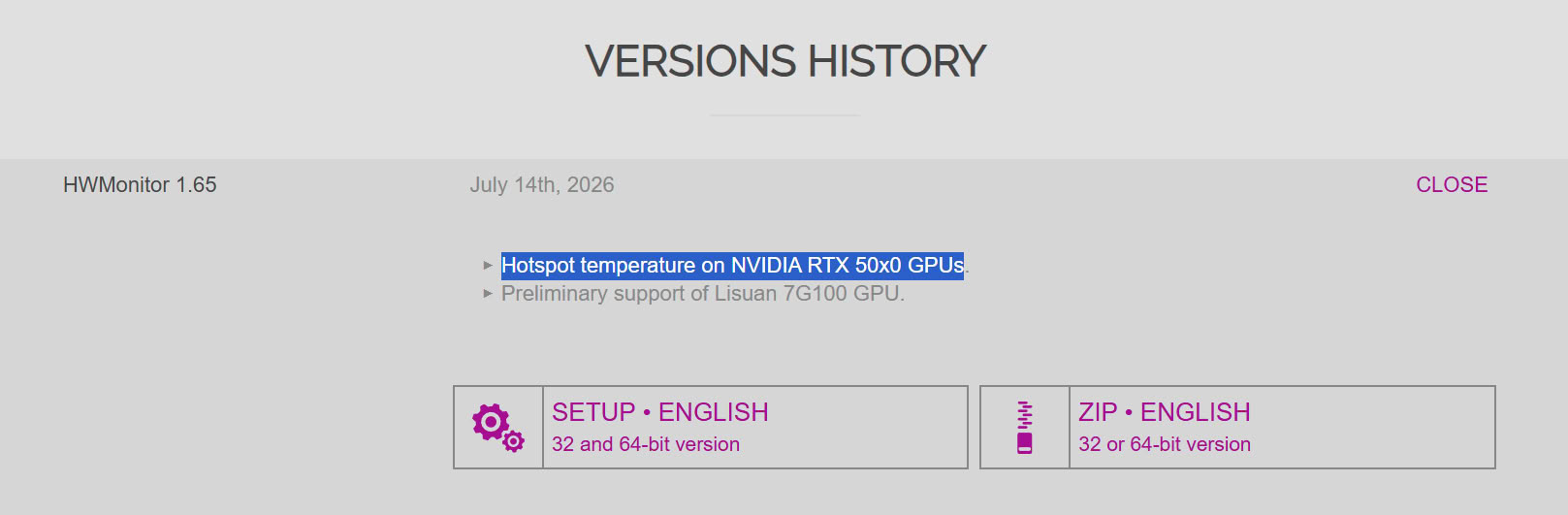
CPUID has released HWMonitor version 1.65, bringing back the highly sought-after hotspot temperature monitoring for NVIDIA’s GeForce RTX 50 series “Blackwell” GPUs. This feature, previously unavailable to the public, allows users to access critical thermal data that was hidden after NVIDIA’s initial launch of the Blackwell lineup.
Background: Hotspot Sensor Access Restricted on RTX 50 Series
When NVIDIA introduced the GeForce RTX 50 series, the company restricted third-party utilities such as GPU-Z and HWMonitor from accessing the GPU’s hotspot sensor data, despite the sensor being physically present on the chip. Until now, the only way to retrieve this information was through NVIDIA’s proprietary Modular Diagnostic Software (MODS), a tool not available to the general public.
HWMonitor Update Bypasses API Limitations
The latest HWMonitor update appears to bypass NVIDIA’s API restrictions, enabling standard hotspot temperature readings on RTX 50 series GPUs. While the technical details behind this breakthrough remain unclear, the update has been confirmed to work, providing users with valuable thermal insights that were previously inaccessible.
Real-World Testing on Overclocked RTX 5090
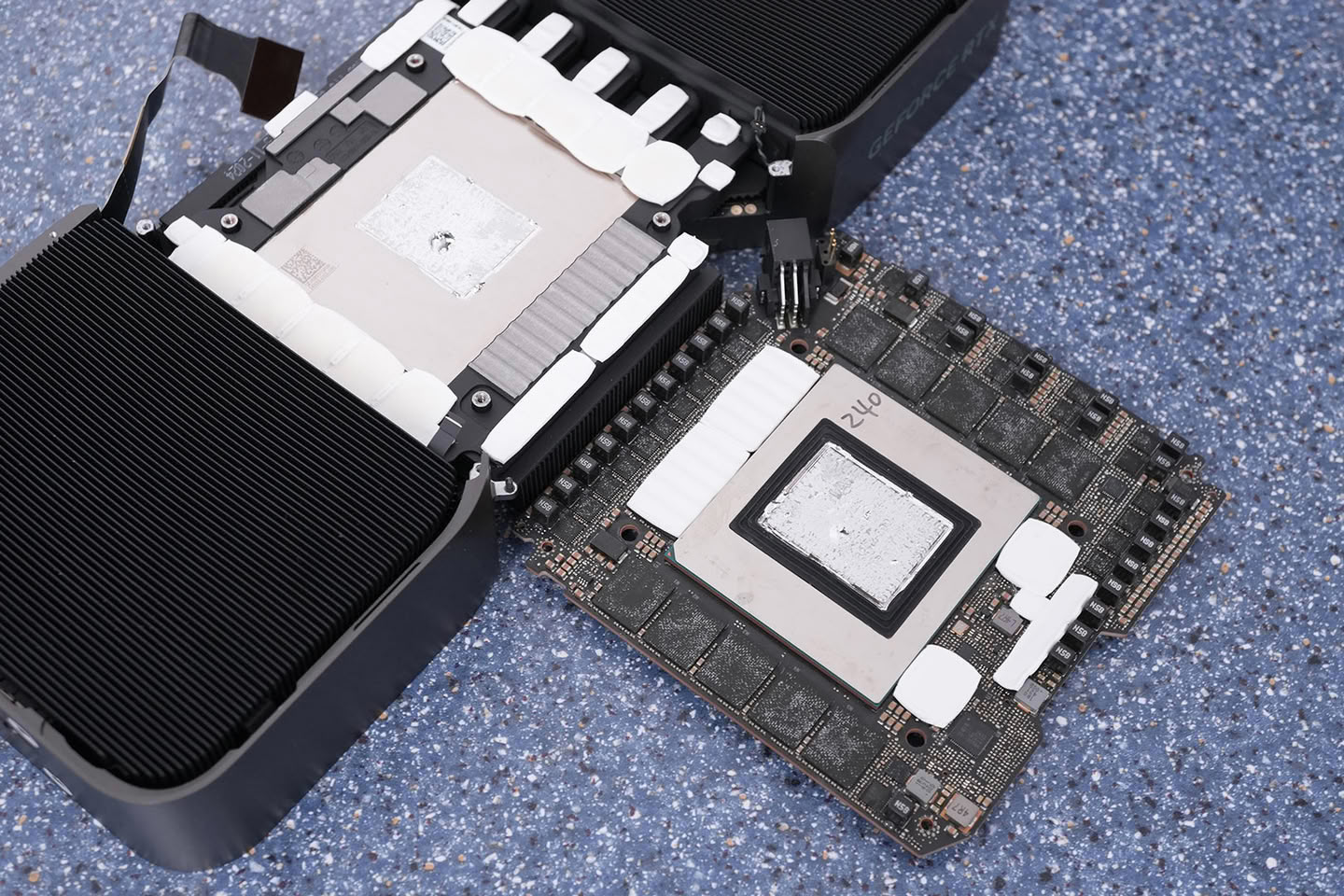
Extreme overclocker “Madness” has already put HWMonitor 1.65 to the test on a heavily modified, water-cooled RTX 5090 GPU. Drawing over 900 watts from the wall, the GPU’s hotspot sensor reported temperatures around 68°C under a water block. The standard GPU temperature reading showed a delta of approximately 17°C, indicating a core temperature of about 51°C. This difference highlights the importance of hotspot monitoring, especially for enthusiasts pushing their hardware to the limit.
Significance of Hotspot Temperature Data
Access to accurate hotspot temperature readings is crucial for overclockers and advanced users. Previously, NVIDIA’s MODS tool detected hotspot temperatures as high as 107°C on an RTX 5070 Ti, while public tools only reported 67°C to 68°C. Such discrepancies can lead to thermal throttling, even when standard temperature readings appear normal. With HWMonitor 1.65, users can now identify and address potential thermal issues more effectively, ensuring optimal GPU performance and longevity.