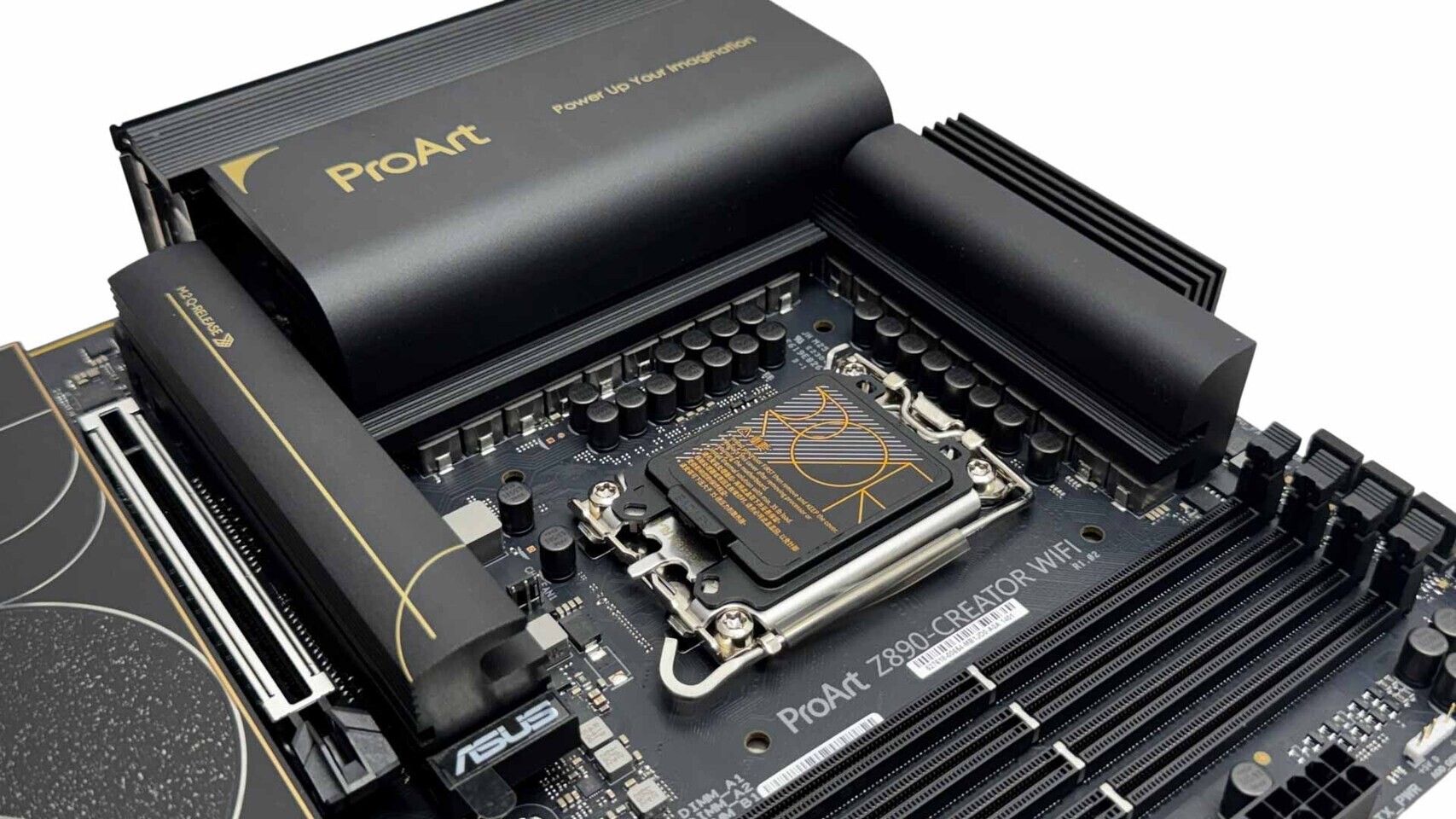
PC Motherboard Sales Face Major Decline Amid Component Shortages
The global PC motherboard market is experiencing one of its sharpest downturns in recent years, as manufacturers grapple with weakened demand and ongoing component shortages. According to a recent DigiTimes report, the ripple effects of rapid AI data center expansion have extended into the consumer PC DIY sector, creating significant challenges for both manufacturers and enthusiasts.
Silicon Shortages Drive Up DRAM and CPU Prices
The surge in demand for silicon components, particularly for AI and data center applications, has led to severe shortages across the industry. As a result, prices for DDR4 and DDR5 memory kits have risen sharply, with regular CPUs also seeing substantial price hikes. This escalation in component costs has placed motherboard manufacturers in a difficult position, forcing them to revise their sales projections downward.
The report highlights that all major Taiwanese motherboard makers have significantly reduced their 2026 shipment targets. Some companies are facing more than a 25% decrease in projected unit sales, reflecting the widespread impact of these market conditions.
GPU Upgrade Cycles Slow, Impacting Motherboard Demand
The decline in motherboard sales is not solely due to CPU and memory shortages. There are clear signs that consumers are delaying their NVIDIA GPU upgrades, particularly with the introduction of the "Blackwell" GPU generation. Initially, the launch of these GPUs drove interest in PCIe 5.0 motherboards, as users sought to maximize performance gains. However, as Blackwell GPUs became scarce and more expensive—largely due to the global DRAM shortage—many consumers have opted to postpone upgrades.
Projections for 2026 indicate that ASUS will sell approximately 10 million motherboards, while MSI and GIGABYTE are each expected to fall below the 10 million unit mark. This represents a roughly 25% year-over-year decline from 2025 sales figures. ASRock is facing the steepest drop, with an estimated 30% decrease in shipments.
Changing Economics of PC Building
The economics of building a PC have shifted dramatically as memory prices have soared. DRAM kits now account for over 30% of the total cost of a new PC, making upgrades less attractive for many consumers. Additionally, ongoing shortages of AMD and Intel CPUs have further constrained the ability of PC builders to purchase new motherboards, adding to the uncertainty surrounding the supply chain.
In this challenging environment, many consumers are holding off on major upgrades, which is expected to have a significant impact on the gaming PC market in the coming months. Even AMD CEO Dr. Lisa Su has acknowledged that gaming demand is likely to decline in the second half of the year, underscoring the difficult outlook for the PC DIY sector.